
What is Cervical Spondylosis?
Cervical spondylosis is a common condition. It affects the neck bones and discs as people age. Often, this leads to neck pain and stiffness. In many cases, it can also cause pain or tingling in the arms. Because the neck supports the head, any problem here can affect daily life. Early care and functional rehab can help manage symptoms and improve movement.
Common Symptoms of Cervical Spondylosis
Many people with cervical spondylosis do not notice symptoms at first. However, as the condition progresses, symptoms may appear. For example, you might feel:
Because symptoms can vary, it is important to pay attention to any changes in your neck or arm function.
Causes and Risk Factors
Cervical spondylosis happens as the discs and joints in the neck wear down over time. As a result, the bones may rub together, causing pain. Several factors can increase your risk:
Although aging is the main cause, lifestyle choices can make symptoms worse.
How Cervical Spondylosis Affects Neck & Arm Function
Because the neck contains nerves that travel to the arms, any pressure on these nerves can cause pain or weakness. For instance, you may notice trouble lifting objects or gripping items. Sometimes, simple tasks like turning your head or looking up become hard. Over time, untreated cervical spondylosis can limit your daily activities. Therefore, early treatment is key for better neck and arm function.
Diagnosis: What to Expect
If you have neck or arm pain, your doctor will ask about your symptoms and medical history. Next, a physical exam checks your neck movement and nerve function. Sometimes, tests like X-rays, MRI, or CT scans help find the cause. These tests show changes in the bones or discs. Because early diagnosis leads to better outcomes, do not delay seeking help.
Functional Rehabilitation: Key Approaches
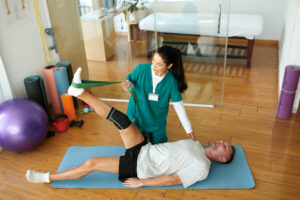
Functional rehab for cervical spondylosis focuses on improving movement and reducing pain. Physiotherapists use many methods to help you get back to daily activities. For example, they may suggest:
Because every person is different, rehab plans are tailored to your needs. According to the World Health Organization, early rehab can speed up recovery and prevent long-term problems.
Home Exercises and Lifestyle Tips
Along with professional care, home exercises can help manage neck pain. Always check with your physiotherapist before starting new exercises. Some helpful activities include:
In addition, try these lifestyle tips for neck pain relief:
Because small changes add up, these steps can make a big difference over time.
Prevention Strategies
Although you cannot stop aging, you can lower your risk of cervical spondylosis. For example, you can:
Because prevention is easier than treatment, start these habits early.
When to See a Specialist
If your neck pain does not improve with home care, or if you notice numbness, weakness, or trouble walking, see a doctor right away. Sometimes, severe symptoms need urgent care. In addition, if you have ongoing pain, a physiotherapist or rehabilitation specialist can help. Many physiotherapy clinics near you offer expert care for neck and arm pain.
Consult a rehabilitation specialist Dr. Dishant Dabas for personalized guidance on managing cervical spondylosis.