
Introduction
Neck pain is a common problem for many people. Often, it is closely linked to poor posture. When you sit or stand the wrong way, your neck muscles work harder. Over time, this can cause pain and stiffness. Because of this, understanding neck pain and posture is important for daily comfort. Functional rehabilitation, or functional rehab, helps you move better in daily life. It focuses on real-life activities, not just exercises. In this blog, you will learn how to manage neck pain and improve posture using a functional rehab approach.
Common Symptoms of Neck Pain
Neck pain can show up in different ways. Sometimes, it is mild. Other times, it can be severe. For example, you may notice:
Sometimes, these symptoms get worse after sitting at a desk or using a phone for a long time. If you notice any of these signs, it may be time to look at your posture.
Causes of Poor Posture and Neck Pain
Many things can cause poor posture and neck pain. For instance, sitting for long hours at a computer can strain your neck. Looking down at your phone often can also lead to pain. In addition, weak back and neck muscles make it harder to keep good posture. Some common causes include:
According to the World Health Organization (WHO), neck pain is a leading cause of disability worldwide. Therefore, it is important to address these causes early.
Diagnosis: How Professionals Assess Neck Pain and Posture
Healthcare providers use several steps to check neck pain and posture. First, they ask about your symptoms and daily habits. Next, they may watch how you sit, stand, and move. Sometimes, they gently press on your neck to find sore spots. In some cases, they may order X-rays or other scans. However, most neck pain does not need special tests. Physiotherapists often use simple tools to measure your posture. This helps them plan the best treatment for you.
Functional Rehabilitation: Principles and Benefits
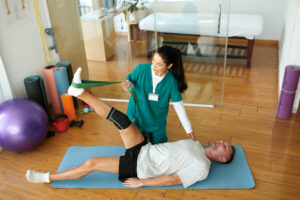
Functional rehab for neck pain focuses on real-life movements. Instead of only doing basic stretches, you practice activities you do every day. For example, you may learn how to sit at your desk with better posture. Or, you might practice lifting objects safely. The main goals of functional rehab are:
According to the CDC, exercise and movement are key parts of managing neck pain. Functional rehab makes these activities part of your daily life.
Daily Life Strategies for Better Posture and Less Neck Pain
There are many simple ways to improve posture and reduce neck pain at home. For instance, you can:
Additionally, try to stay active. Even gentle walks can help your neck muscles stay loose. If you work at a desk, set reminders to check your posture often.
Prevention Tips for Neck Pain
Preventing neck pain is easier than treating it. Here are some tips to help you avoid problems:
Moreover, listen to your body. If you feel pain or stiffness, take a break and move around.
When to Seek Professional Help
Most neck pain gets better with simple care. However, you should see a doctor or physiotherapist if:
Early help can prevent long-term problems. Physiotherapy for neck pain can guide you with safe exercises and posture tips.
Conclusion
Neck pain and posture are closely linked. By using a functional rehab approach, you can improve how you move every day. Simple changes at home and work can make a big difference. If neck pain continues, consult Dr Dishant Dabas at PSRI Hospital. They can give you advice that fits your needs and help you stay active and pain-free.