
What Is Spinal Stenosis?
Spinal stenosis is a condition where the spaces in your spine become narrow. As a result, this can press on the nerves in your back. Many people feel pain, numbness, or weakness in their legs or back. Because of this, walking or standing for long periods can be hard. Spinal stenosis often affects older adults. However, anyone can develop it. Early care can help you stay active and reduce pain.
How Does Spinal Stenosis Affect Mobility?
When the spinal canal narrows, nerves may get squeezed. Therefore, you might notice:
Because these symptoms can limit daily activities, many people look for ways to improve movement and reduce discomfort.
The Role and Benefits of Physiotherapy for Spinal Stenosis
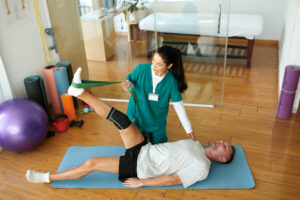
Physiotherapy for spinal stenosis is a safe, non-surgical way to manage symptoms. In fact, physical therapy treatment for spinal stenosis can help you move better and feel less pain. According to experts, regular physiotherapy may:
Moreover, physiotherapists create a plan just for you. This means you get care that fits your needs and goals.
Common Physiotherapy Techniques for Spinal Stenosis
During your sessions, your therapist may use several methods. For example, these may include:
Because each person is different, your therapist will choose the best techniques for you.
What to Expect During Physiotherapy Sessions
At your first visit, your physiotherapist will ask about your symptoms and health history. Next, they will check how you move and where you feel pain. After that, they will create a treatment plan. Most sessions last about 30 to 60 minutes. During each visit, you may:
Over time, you should notice less pain and better movement. However, progress may take a few weeks. Your therapist will track your results and adjust your plan as needed.
Lifestyle Guidance and Self-Care Tips
Along with therapy, small changes at home can help. For example:
Because self-care is important, always listen to your body. If pain gets worse, let your therapist know right away.
Prevention Strategies and When to Seek Help
While you cannot always prevent spinal stenosis, you can lower your risk. For instance:
If you notice new or severe pain, numbness, or weakness, seek help from a doctor or physiotherapist. Early care can prevent problems from getting worse. Many physiotherapy clinics near you offer expert help for spinal stenosis.
Conclusion
In summary, physiotherapy for spinal stenosis offers many benefits. It can ease pain, improve movement, and support daily life. With the right care, you can stay active and enjoy more comfort. Consult a qualified physiotherapist Dr. Dishant Dabas for personalized advice on managing spinal stenosis.