Introduction
Knee replacement recovery is a journey that does not end after surgery. In fact, rehabilitation is the key to a strong and lasting result. Many people wonder about physical therapy after knee replacement or how rehab for knee surgery recovery works. However, the truth is that your effort in rehab shapes your long-term outcome. With the right steps, you can regain strength, movement, and confidence. Let’s explore why rehabilitation is so important and how it helps you get back to daily life.
What Is Knee Replacement Recovery?
Knee replacement recovery is the process your body goes through after knee surgery. It includes healing, regaining movement, and building strength. Right after surgery, you may feel pain and stiffness. But with time and the right care, these symptoms improve. Recovery is not just about waiting. Instead, it involves active steps like exercises, walking, and following your doctor’s advice. For many, recovery lasts several months. Yet, each person’s journey is unique. Some people recover faster, while others need more time and support.
Why Is Rehabilitation Essential After Knee Replacement?
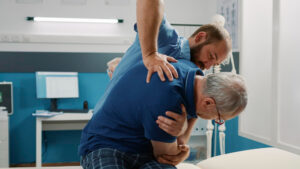
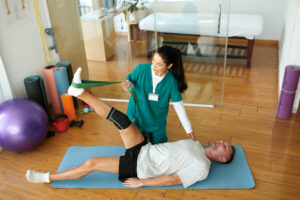
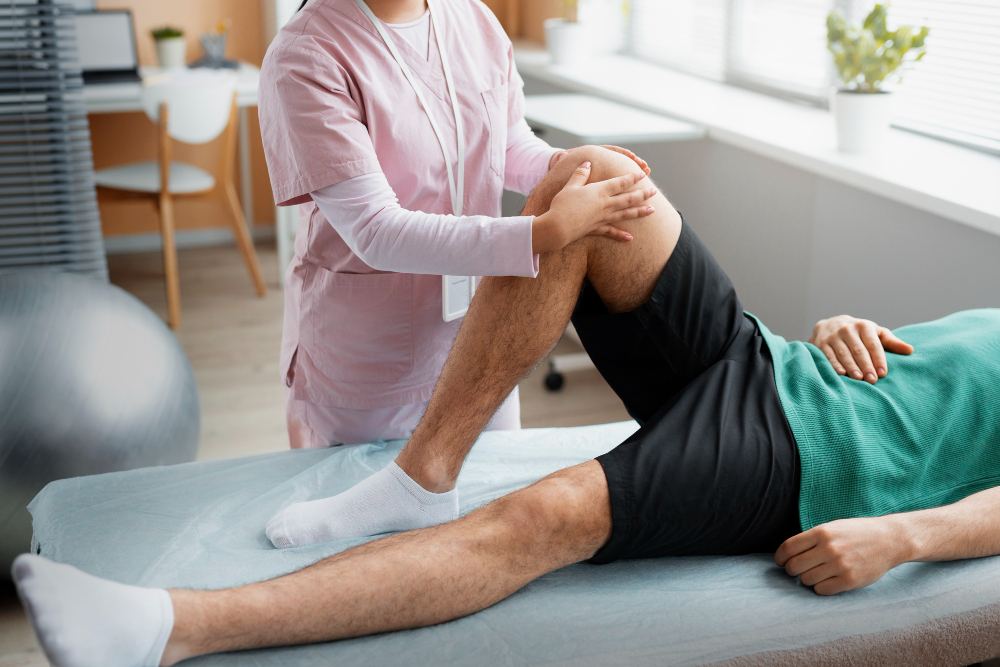
Rehabilitation is the most important part of knee replacement recovery. Without it, your new knee may not work as well as it should. For example, skipping rehab can lead to stiffness or weak muscles. Physical therapy after knee replacement helps you move your knee safely. It also teaches you how to walk, climb stairs, and do daily tasks again. Moreover, rehab lowers the risk of problems like blood clots or falls. According to the CDC, regular rehab improves both short-term and long-term results. So, sticking to your rehab plan is vital for success.
Key Phases of Knee Replacement Rehabilitation
Knee replacement rehab happens in several phases. Each phase has its own goals and exercises. Here is a simple breakdown:
Each phase is important. However, moving too fast or skipping steps can slow your progress.
Benefits of Proper Rehabilitation for Long-Term Outcomes
Proper rehabilitation offers many benefits for knee replacement recovery. For instance, it helps you:
According to the World Health Organization, people who follow rehab plans have better long-term results. In other words, rehab is the path to a healthy, active life after knee surgery.
Common Challenges and How to Overcome Them
Even with the best plan, you may face challenges during knee replacement recovery. Some common issues include:
However, you can overcome these challenges. For example, talk to your therapist if pain is a problem. They may adjust your exercises. Also, set small goals to stay motivated. Remember, every step counts. If you feel stuck, ask for help from your rehab team.
Tips for a Successful Knee Replacement Recovery
For the best results, try these simple tips:
With these tips, you can make your recovery smoother and safer.
When to Seek Professional Help
Sometimes, you may need extra support during knee replacement recovery. Seek help if you notice:
In these cases, contact your doctor or a rehabilitation specialist right away. Early help can prevent serious problems and keep your recovery on track.
Conclusion
In summary, knee replacement recovery depends on proper rehabilitation. Each step, from early movement to ongoing exercises, shapes your long-term outcome. Therefore, follow your rehab plan and ask for help when needed. Consult a physiotherapist or rehabilitation specialist at PSRI Hospital for personalized knee replacement recovery guidance.