Introduction
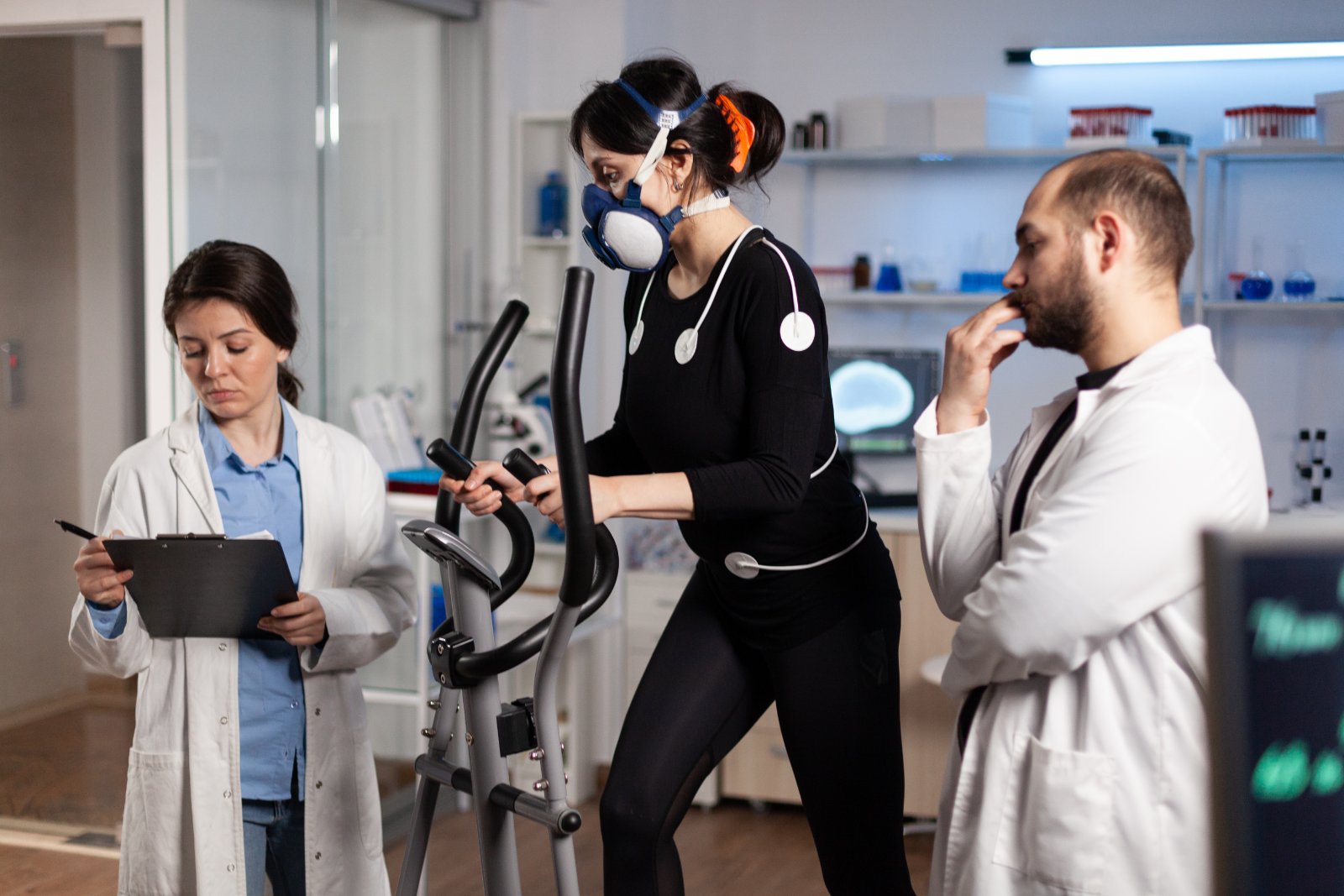
Pulmonary rehabilitation is a special program for people with chronic lung disease. It combines exercise, education, and support to help you breathe easier and feel stronger. Many patients with conditions like COPD, asthma, or pulmonary fibrosis find that pulmonary rehab for COPD and other lung diseases can improve lung function. For example, breathing exercises for lung disease can make daily tasks easier. As a result, people often enjoy a better quality of life and more independence.
What Is Pulmonary Rehabilitation?
Pulmonary rehabilitation is a team-based program. It is designed to help people with long-term lung problems. The program usually includes:
Because each person is different, the plan is tailored to your needs. Most programs last several weeks and take place at hospitals or pulmonary rehab centers near you.
Who Needs Pulmonary Rehabilitation?
Many people with chronic lung disease can benefit from pulmonary rehabilitation. For instance, you may need it if you have:
Even if you feel weak or short of breath, you can still join. In fact, starting early may help prevent your symptoms from getting worse.
Key Benefits for Chronic Lung Disease Patients
Pulmonary rehabilitation offers many benefits. For example, it can:
According to the World Health Organization (WHO), these programs can also help you stay independent for longer. As a result, you may enjoy a better quality of life.
Common Techniques and Exercises Used
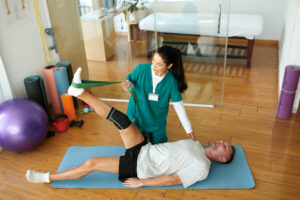
Pulmonary rehab uses many simple but effective techniques. Some common ones include:
Because these exercises are supervised, they are safe for most people. Your team will adjust the plan to match your needs and abilities.
How to Get Started With Pulmonary Rehabilitation
First, talk to your doctor about your symptoms. They can refer you to a pulmonary rehab program. Next, you will meet with a team of experts, such as physiotherapists and nurses. They will check your health and design a plan just for you. Most programs meet two or three times a week. Some centers also offer home-based options if you cannot travel.
Tips for Success and Lifestyle Guidance
To get the most from pulmonary rehabilitation, try these tips:
With steady effort, you may notice small improvements each week. Over time, these changes can make a big difference in your daily life.
Prevention and Long-Term Management
Pulmonary rehabilitation is not just for treatment. It also helps prevent future problems. For example, learning how to manage symptoms early can reduce flare-ups. In addition, staying active and following healthy habits can slow down lung disease. The Centers for Disease Control and Prevention (CDC) recommends regular check-ups and vaccinations to protect your lungs. Even after finishing rehab, keep using the skills you learned. This way, you can stay healthier for longer.
Conclusion
Pulmonary rehabilitation can help you breathe easier, feel stronger, and live better with chronic lung disease. Consult a healthcare specialist Dr. Dishant Dabas to learn if pulmonary rehabilitation is right for you.