What Is Post-Heart Transplant Rehab?
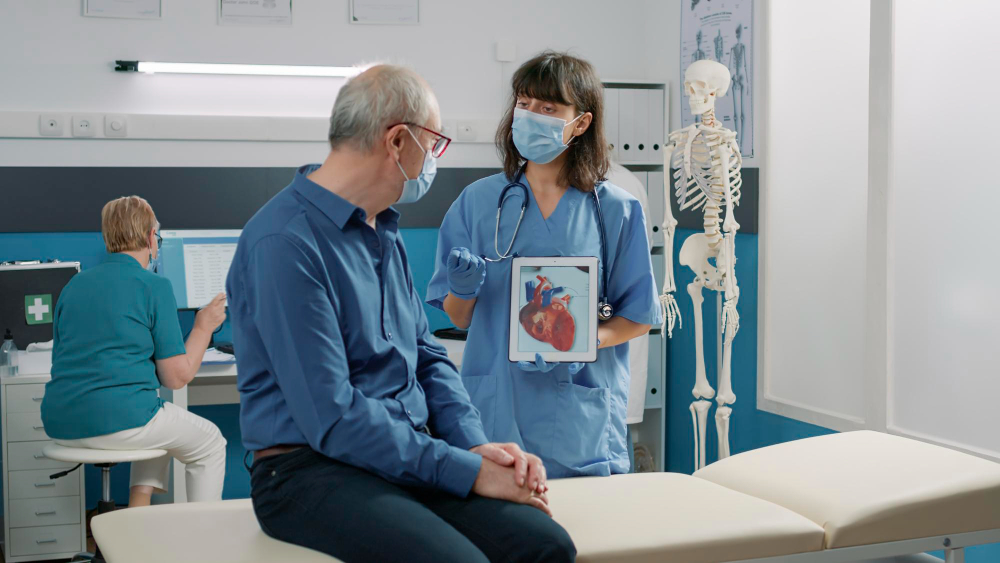
After a heart transplant, your journey is not over. In fact, post-heart transplant rehab is a key part of your recovery. This special program helps you regain strength and return to daily life. Rehab for heart transplant patients includes exercise, education, and support. As a result, you can heal faster and feel better. Most rehab programs are led by trained teams in hospitals or rehab centers. Some centers in your city may offer these services close to home.
Why Personalized Recovery Matters
Every person heals in their own way. Therefore, personalized heart transplant recovery is very important. Your age, health, and lifestyle affect how you recover. Because of this, rehab plans are made just for you. For example, some people need more help with walking, while others need support with breathing. A tailored plan helps you reach your best possible health. In addition, it lowers the risk of problems after surgery.
Common Challenges After Heart Transplant
Even though a new heart brings hope, recovery can be hard. Many people face challenges, such as:
However, with the right support, you can overcome these hurdles. Rehab teams help you manage these issues step by step.
Key Components of a Rehab Program
Post-heart transplant rehabilitation includes many parts. Each one helps you recover safely and fully. The main components are:
Moreover, your rehab team will adjust your plan as you improve. This way, you always get the care you need.
Role of Physiotherapy in Recovery
Physiotherapy after heart transplant is vital. It helps you move better and feel stronger. For example, physiotherapists guide you through safe exercises. They also teach you how to breathe deeply and prevent lung problems. In addition, they help you avoid falls and injuries. As you progress, your exercises will become more challenging. This supports optimal recovery after heart transplant.
Tips for Optimal Performance and Daily Living
After rehab, you want to live well. Here are some tips for daily life:
Furthermore, setting small goals can keep you motivated. Celebrate each step forward, no matter how small.
Prevention of Complications
Preventing problems is a big part of post-heart transplant rehab. You can lower your risk by:
Because your immune system is weaker after transplant, these steps are crucial. Early action can stop small issues from becoming serious.
When to Consult Your Healthcare Team
Always stay in touch with your healthcare team. You should contact them if you notice:
Remember, your team is there to help you. Early advice can make a big difference in your recovery.
In summary, post-heart transplant rehab is your path to a stronger, healthier life. For the best results, consult Dr Dishant Dabas at PSRI Hospital for a personalized recovery plan after a heart transplant.